Thirteen numbers every founder should see each month
A one-page management report that takes an hour to build from closed books — and saves many more. If you can only look at one page a month, make it this one.
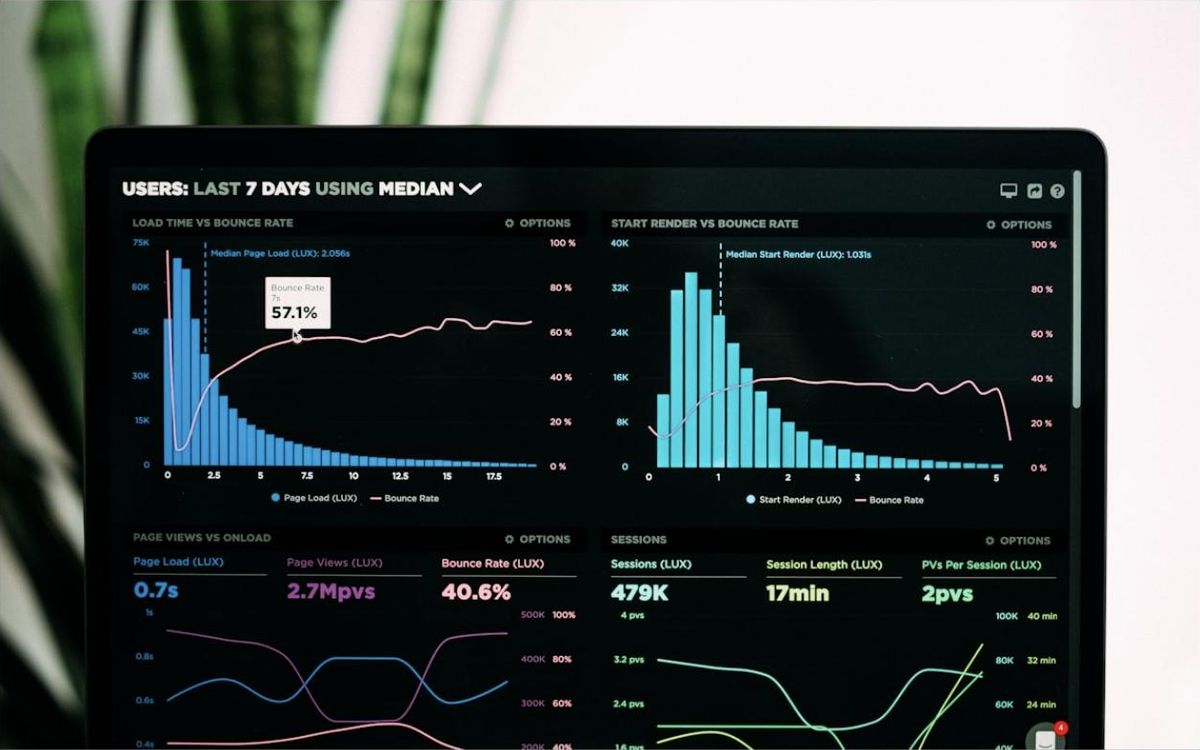
Most small-business founders see their numbers twice a year: at tax time, and when something goes wrong. Yet almost every avoidable crisis we see — a cash crunch, a margin that quietly died, a compliance penalty — was visible in the books months earlier. This is the one-page report we build for advisory clients from each month's closed books.
Cash: the four numbers that keep you alive
1. Closing bank balance — reconciled, not the app screen. 2. Cash runway — balance divided by average monthly outflow; below three months, act. 3. Debtors over 60 days — the money you have earned but cannot spend; anything above a fifth of monthly sales deserves calls, not reminders. 4. Creditors falling due in 30 days — so next month's obligations never surprise you.
Performance: the five that explain the month
5. Revenue against both last month and the same month last year — seasonality hides in single comparisons. 6. Gross margin % — the first number to move when pricing, input costs or product mix drift. 7. Operating profit (EBITDA) — the business's real engine, before financing noise. 8. Top five customers' share of revenue — above 60% is a risk, not a boast. 9. Break-even revenue — fixed costs divided by gross margin: the sales figure at which the month starts making money.
Discipline: the four that keep you out of trouble
10. GST payable versus input credit for the month — a rising unexplained gap means leakage in either sales or purchases (start with a 2B reconciliation). 11. TDS deducted and deposited — deposited by the 7th, every month, no exceptions. 12. Advance-tax coverage — cumulative tax paid against the instalment schedule. 13. Statutory calendar status — the next month's due dates with an owner against each.
- Close the books first — an unreconciled report is fiction with formatting
- One page, same layout every month; trends live in a small 12-month strip
- Mark each number green, amber or red against a threshold you set once
- Review it in thirty minutes, decide three actions, stop
Why one page beats a dashboard
Software dashboards fail founders for a subtle reason: they show everything, always, so nothing demands a decision. A monthly page with thirteen numbers and three decisions creates a rhythm — the same rhythm auditors, lenders and future investors read as management quality. Banks price loans on it; acquirers diligence it. It is the cheapest credibility a small business can build, and it starts with the month-end close that makes the numbers trustworthy.
Frequently asked questions
I already have accounting software. Why do I need this?
Software records transactions; it does not choose what matters. The report's value is selection and thresholds — thirteen numbers with a green/amber/red judgement forces decisions a dashboard never does.
How current do my books need to be for this?
Closed and reconciled to the previous month-end. The report takes about an hour on clean books and is impossible on messy ones — which is itself a finding worth acting on.
What is a healthy cash runway for a small business?
Three months of average outflow is the common floor; seasonal or single-customer businesses should hold more. Below that, the report should trigger collection pushes or cost deferrals immediately.
Can a CA prepare this monthly report for me?
Yes — this is exactly what a retained or virtual-CFO advisory engagement covers: closed books, the one-page report, and a short monthly review call. Enquire through our contact form for a scoped quote.
We register companies and LLPs end-to-end — incorporation, GST, and first-year compliance — for founders in India and abroad. Tell us what you are setting up and we will reply with a scoped plan and quote within one business day.
This guide is published for general information and does not constitute professional advice. Fees, thresholds and due dates change; please consult the firm before acting on anything you read here. Income-tax section references follow the Income-tax Act, 1961 (which governs income up to FY 2025-26) with the corresponding Income-tax Act, 2025 references indicated where relevant for tax year 2026-27 onwards.